Observing the Season of Creation

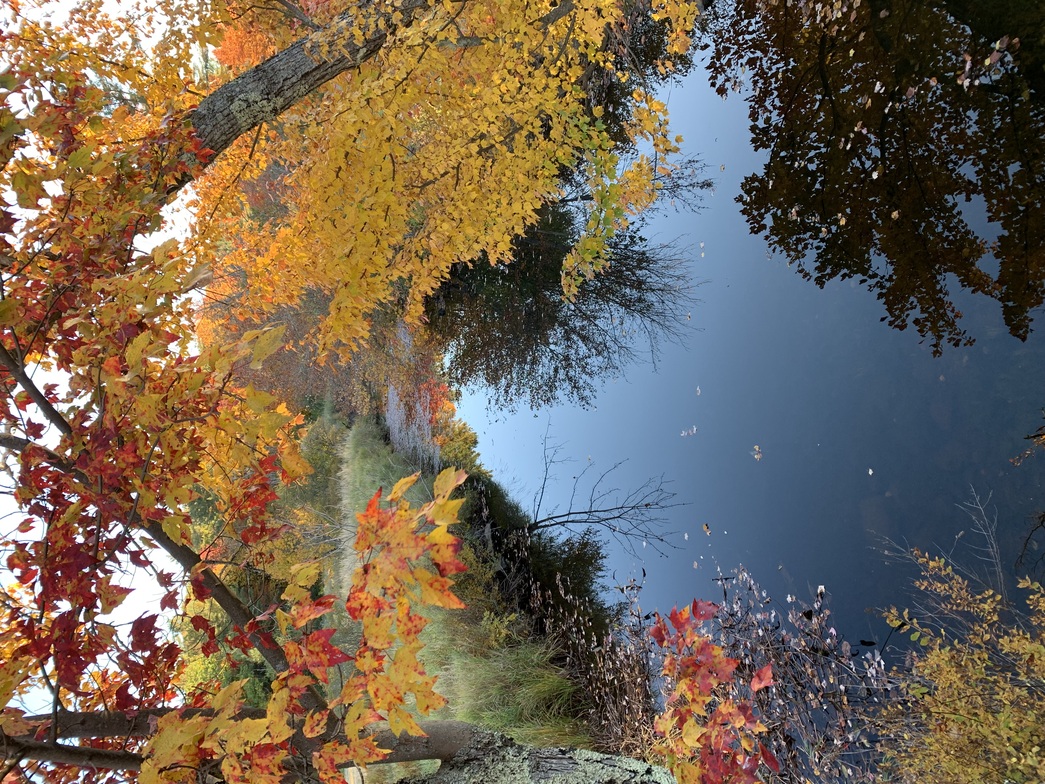
In the realm of “everything old is new again,” the western Church officially has a new “feast” day (a designation which changes the normal flow of texts and worship in order to recognize a significant mystery of faith, event in the life of Jesus, or major saint in the traditions that use that classification). September 1–or the first Sunday in September–was recently officially adopted by the Revised Common Lectionary as the “Feast of Creation.” In many ways, this is the Church version of Earth Day.
However, the marking of that day as one to celebrate all of Creation, offer thanks to God for its gifts, and petition for its protection is actually an ancient practice, dating back to the 7th century in the Byzantine Church and carried over into the Eastern Orthodox Church. It marked the beginning of their liturgical year (our modern Western year starts with Advent) and parallels the Jewish New Year, which begins around the same time on Rosh Hashanah.
About 20 years ago, some churches in Australia began experimenting with observing a whole Season of Creation–modeled off the liturgical seasons of Advent and Lent–which began with the Feast of Creation on September 1 and went through the Feast of St. Francis of Assisi (the Patron Saint of animals, ecology, and the environment) on October 4. Using a three-year cycle, each Sunday celebrates a “domain” of Creation, e.g., Sky, Storm, Forest. The idea quickly spread worldwide, is now celebrated in many churches across traditions, and has been adopted by the World Council of Churches, which designates an overarching theme and accompanying scripture text each year.
We will observe the Season of Creation from Sunday, September 6, to Sunday, October 4, when we will once again offer a Blessing of the Animals.
I hope you’ll join us as we honor our kinship with the rest of Creation, acknowledge our “eco-grief” at its devastation, and celebrate the vast and diverse gifts offered by the Divine Creator.